
FXGTは初心者~上級者まで活用しやすいボーナスを1年中提供していますが、キャンペーン内容は不定期に変更されます。
2026年7月現在は以下のキャンペーンを実施中です!
- 口座開設ボーナス20,000円
- 初回入金100%ボーナス(上限額5万円)
- 通常入金25%ボーナス(上限額70万円)
この記事では、FXGTの口座開設ボーナス&入金ボーナスなどのキャンペーンについて解説します。
ボーナスの獲得方法や獲得する際の注意点も合わせてご紹介するので、FXGTのボーナスを活用して有利に取引を始めたい方はぜひ最後までご覧ください。
\ 今だけ17,000円が必ずもらえる! /
公式サイト:https://fxgt.com/register
FXGTの口座開設ボーナス
FXGTはオプティマス口座を新規開設した方向けに、取引に使える20,000円のボーナスをプレゼントしています。
口座開設ボーナスを使えば自己資金を入金せずとも取引をスタートできるので、FX初心者におすすめです。
- 口座開設ボーナスとは
- 口座開設ボーナスの受け取り方
- 口座開設ボーナスの注意点
ここでは、口座開設ボーナスの詳細について見ていきましょう。
FXGTの口座開設ボーナスとは
FXGTの口座開設ボーナス(新規登録ボーナス)は、入金不要で受け取れるクレジットボーナスです。
新しくオプティマス口座を開設し、アカウント認証を完了させるだけで、取引資金として使えるボーナスが付与されます。
| 項目 | 内容 |
|---|---|
| 対象者 | オプティマス口座を新規口座開設し、30日以内に有効化を済ませた方 |
| 対象口座タイプ | オプティマス口座 ※2026年7月現在 |
| ボーナス額 | 20,000円 |
| 利益の出金 | 10GTロット+最低8回の取引をすれば可能 |
このように、FXGTの口座開設ボーナスは1万円と高額なので、「リスクなしで取引を始めてみたい」「FXGTの取引環境をまず試してみたい」という方は受け取って損はありません。
ただし、オプティマス口座は最大75万円もらえる入金ボーナスの対象外なので、長い目で見ると入金ボーナス対象のスタンダード+口座のほうがおすすめです。
FXGTの口座開設ボーナスの受け取り方
FXGTの口座開設ボーナスは、手順を踏めば誰でも簡単に受け取れます。
まずFXGTの公式サイトにアクセスし、必要事項を入力して口座を開設します。
| フルネーム | 半角ローマ字でフルネームを入力 |
|---|---|
| メールアドレス | メールアドレスを入力 |
| パスワード | 8〜16文字で小文字・大文字・数字・記号を最低1つずつ含む文字列を設定 |
| 居住国 | 居住国を選択 |
| 国番号 | 自動反映されたものを確認 |
| 電話番号 | 電話番号を入力 |
登録したメールに届く確認メールを開き、本文中のリンクをクリックしてアカウントを有効化します。
その後、マイページにログインします。
ログイン後、「口座を認証して取引を開始してください。」というバナーが表示されるので、申し込み者のデータを入力しましょう。
- 氏名
- 性別
- 生年月日
- 国籍
- 電話番号
- 個人情報アンケート(18歳以上か、米国市民かなど)
- 投資者情報(職業や保有資産など)
その後、運転免許証やパスポートなどの本人確認書類、住所確認書類をアップロードして、アカウント認証(KYC)を完了させます。
有効な本人確認書類はこちら
- IDカード
- パスポート
- 運転免許証
- 居住許可証
有効な住所確認書類はこちら
- 銀行取引明細書
- 光熱費の明細書
- インターネット/ケーブルテレビ/自宅の電話回線の請求書
- 税務申告書
- クレジットカード明細書
- 政府発行の書類(住民票)など
※いずれも発行されてから3ヶ月以内が条件
MT4/MT5タブを選ぶと、「口座開設」ボタンが表示されます。
そこを押して、口座タイプを含む口座情報を設定してください。
| デモ/ライブ | 「ライブ」を選択 |
|---|---|
| 取引プラットフォーム | MT4/MT5のいずれかを選択 |
| 口座タイプ | 「オプティマス口座」を選択 |
| レバレッジ | レバレッジを入力(最大5,000倍) |
| 口座の基本通貨 | 任意の通貨を選択 |
マイページのダッシュボードに「新規登録ボーナスを受け取る」ボタンが表示されます。
ボタンをクリックすれば20,000円分の口座開設ボーナスがウォレットに加算されますよ!
このように、FXGTの口座開設ボーナスは、入金不要で簡単に受け取れます。
ただし、口座開設後30日以内に有効化を済ませないとボーナスを受け取る権利がなくなるので注意してください。
\ 今だけ17,000円が必ずもらえる! /
公式サイト:https://fxgt.com/register
FXGTの口座開設ボーナスの注意点
FXGTの口座開設ボーナスは魅力的ですが、条件や制限を理解していないと「思ったように使えなかった」「利益が出金できなかった」ということになりかねません。
ボーナスをフル活用できるように、以下の注意点について理解しておきましょう。
- 対象口座はオプティマス口座のみ
- 口座開設だけでなく本人確認(KYC)の完了が条件
- ボーナス自体は出金不可
- ボーナスで得た利益は3GTロット(30万通貨)+最低8回の取引で出金可能
- 口座残高0円で30日間取引しないとボーナスが消滅する
- 口座残高があっても90日間取引しないとボーナスが消滅する
- 出金・資金移動でボーナスが消滅することがある
特にFXGTの口座開設ボーナスにおける対象口座は不定期で変更されます。
2026年7月現在はオプティマス口座のみ対象で、スタンダード+口座やその他のタイプでは付与されないので、口座タイプ選びには十分注意してください。
FXGTの入金ボーナス100%
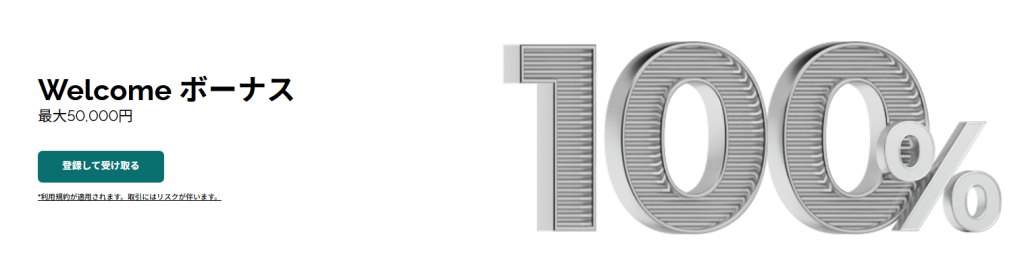
FXGTは初回入金額の100%にあたるボーナスを最大5万円まで受け取れます。
- 入金ボーナス100%とは
- 入金ボーナス100%の受け取り方
- 入金ボーナス100%の注意点
ここでは、初回入金ボーナスの詳細について確認していきましょう!
FXGTの入金ボーナス100%とは
FXGTの入金ボーナスは、口座に資金を入れる際に付与されるクレジットボーナスで、自己資金以上の取引をするのに役立ちます。
初回入金ボーナスの付与率は100%なので、自己資金の2倍に相当する金額から取引を始めることも可能です!
| 項目 | 内容 |
|---|---|
| 対象者 | 対象口座に初回入金した方 |
| 対象口座タイプ | スタンダード+口座・ミニ口座 |
| ボーナス額 | 100%(最大5万円) |
ボーナスによって証拠金維持率に余裕が生まれれば、強制ロスカットや証拠金不足のリスクを軽減しながら、複数ポジションを同時に保有するなど、より柔軟な取引が可能になります。
100%入金ボーナスを受け取れるのは最初の1回だけなので、できるだけ5万円を入金するようにしましょう!
FXGTの入金ボーナス100%の受け取り方
FXGTの入金ボーナスは、次の手順で簡単に受け取れます。
FXGTのマイページにログインし、「入金」メニューを選びます。
続いて、希望する決済方法(クレジットカード、国内銀行送金、仮想通貨送金など)を選び、対象口座に資金を入金します。
eWalletに入金した方はマイページから「eWallet」→「資金移動」を選び、対象のリアル口座に資金を移動させてください。
入金が完了すると、ボーナスが自動的に付与されます。
ボーナスは1時間以内に反映されます。
それ以上待っても反映されない場合は、FXGTのカスタマーサポートに問い合わせてみてください。
FXGTの入金ボーナス100%の注意点
FXGTの入金ボーナスは非常にお得ですが、利用条件や制限を理解していないと「思ったより使えなかった」「利益が出金できなかった」ということになりかねません。
特に以下の注意点は理解しておきましょう。
- 新規口座開設後の初回入金が対象
- 「Crypto Max口座」「プロ口座」「ECN口座」「オプティマス口座」はボーナス対象外(※2026年7月現在)
- ボーナス自体は出金不可
- 損失が発生すると自己資金が優先的に使われる
- 口座残高0円で30日間取引しないとボーナスが消滅する
- 口座残高があっても90日間取引しないとボーナスが消滅する
- 出金・資金移動でボーナスが消滅することがある
特にボーナスが付与された口座から資金移動を行うと、口座残高に対する出金額と同じ割合のボーナスが消える点には注意が必要です。
例えば、口座に10万円の残高+3万円のボーナスがあり、5万円を別口座に資金移動する場合、口座残高の50%分が移動します。
それに伴い、ボーナスも3万円×50%=1万5000円が消滅するので、移動元口座には5万円の残高+1万5000円のボーナスしか残りません。
せっかくのボーナスを無駄にしないためにも、ボーナスがある時に資金移動・出金するのは控えたほうが良いでしょう。
\ 今だけ17,000円が必ずもらえる! /
公式サイト:https://fxgt.com/register
FXGTのLoyalty入金ボーナス25%
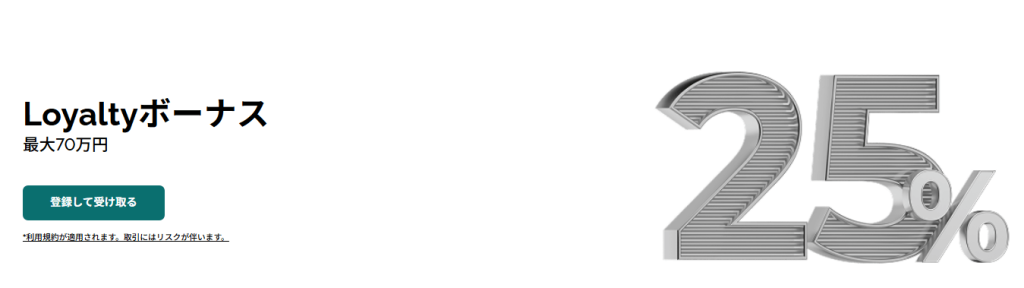
FXGTは初回入金後も25%にあたるボーナスを最大70万円に達するまで繰り返し受け取れます。
- Loyalty入金ボーナス25%とは
- Loyalty入金ボーナス25%の受け取り方
- Loyalty入金ボーナス25%の注意点
- Loyalty入金ボーナス25%のリセットは廃止済み
ここでは、Loyalty入金ボーナス25%の詳細について確認していきましょう!
FXGTのLoyalty入金ボーナス25%とは
Loyalty入金ボーナス25%は、上限70万円に達するまで繰り返し適用されます。
| 項目 | 内容 |
|---|---|
| 対象者 | 対象口座に初回入金した方 |
| 対象口座タイプ | スタンダード+口座・ミニ口座 |
| ボーナス額 | 25%(最大70万円) ※繰り返し受け取り可能 |
口座開設ボーナス・初回入金ボーナスを使い切った後も自己資金以上のお金で取引し続けるチャンスなので、大いに活用しましょう!
FXGTのLoyalty入金ボーナス25%の受け取り方
Loyalty入金ボーナス25%は、入金ボーナス100%と同じ手順で受け取れます。
FXGTのマイページにログインし、「入金」メニューを選びます。
続いて、希望する決済方法(クレジットカード、国内銀行送金、仮想通貨送金など)を選び、対象口座に資金を入金します。
eWalletに入金した方はマイページから「eWallet」→「資金移動」を選び、対象のリアル口座に資金を移動させてください。
入金が完了すると、ボーナスが自動的に付与されます。
入金ボーナス100%と同様、1時間以内にボーナスが反映されます。
上限70万円に達するまで繰り返しもらえるので、取引量が多い方・高額入金する方にとって非常に有利なキャンペーンと言えるでしょう。
FXGTのLoyalty入金ボーナス25%の注意点
Loyalty入金ボーナス25%を利用する際は、以下の点に注意してください。
- 「Crypto Max口座」「プロ口座」「ECN口座」「オプティマス口座」はボーナス対象外(※2026年7月現在)
- ボーナス自体は出金不可
- 損失が発生すると自己資金が優先的に使われる
- 口座残高0円で30日間取引しないとボーナスが消滅する
- 口座残高があっても90日間取引しないとボーナスが消滅する
- 出金・資金移動でボーナスが消滅することがある
- 追加口座でもボーナスは受け取れるが、アカウント全体の上限額が70万円
このように、Loyalty入金ボーナス25%は追加口座も対象ですが、上限額はアカウント全体で合算されます。
すでに70万円をもらい切っている場合、別の口座を新たに開設してもLoyalty入金ボーナス25%の枠は復活しないので注意してください。
FXGTのLoyalty入金ボーナス25%のリセットは廃止済み
かつてFXGTでは「25%Loyalty入金ボーナス」にリセット制度がありましたが、2025年3月25日をもって廃止され、現在は一度上限額まで受け取ったボーナスが復活・リセットされる仕組みはなくなっています。
ただし、今後再開する可能性も0ではありません。再開された際にスムーズに受け取れるよう、過去のリセット制度の内容をここで確認しておきましょう。
- 過去30日以内に1回以上の取引を行っていること
- これまでの累計取引量が初回リセット時は50GTLot以上、2回目以降は150GTLot以上であること
- Loyaltyボーナスを上限額まで受け取っていること
なお、リセット回数に制限はありませんが、回数によって必要な取引量が異なる点に注意が必要です。
| リセット回数 | 必要な累計取引量 |
|---|---|
| 1回目 | 50GTLot以上 |
| 2回目以降 | 150GTLot以上 |
再開されたら、ボーナス上限に達する前に取引量の条件を満たしているか必ず確認してくださいね。
\ 今だけ17,000円が必ずもらえる! /
公式サイト:https://fxgt.com/register
FXGTのキャッシュバック・期間限定ボーナスキャンペーン
FXGTでは、口座開設ボーナスや入金ボーナスに加え、キャッシュバックや期間限定ボーナスキャンペーンも頻繁に実施されています。
ここでは、2026年7月現在開催中の「Optimusリベート・キャッシュバック・プログラム」について解説します。
Optimusリベート・キャッシュバック・プログラムとは
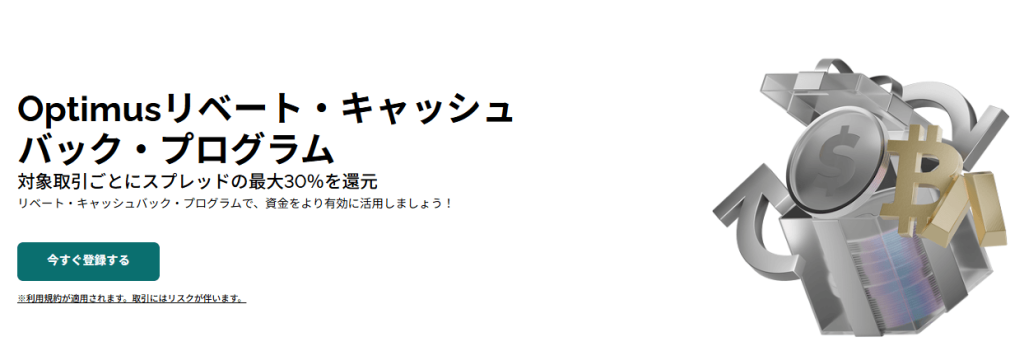
FXGTでは現在、オプティマス口座を利用するトレーダーを対象に、取引ごとにスプレッドの最大30%分がキャッシュバックされるキャンペーンを実施中です。
| 項目 | 内容 |
|---|---|
| 対象者 | 5分以上ポジションを保有した方 |
| 対象口座タイプ | オプティマス口座 |
| ボーナス額 | スプレッドの最大30% |
- 対象はオプティマス口座のみ
- ポジションを5分以上保有する取引が条件
- スプレッドの最大30%相当額が回数無制限でキャッシュバック
- 条件達成後、FXGTのeWalletに出金可能な現金として反映
新しく口座を開設した方だけでなく、追加でオプティマス口座を開設したユーザーも対象になります。
さらに、このキャッシュバックは他のボーナスキャンペーンとも同時利用が可能なため、組み合わせることで取引資金を一層お得に増やせます。
\ 今だけ17,000円が必ずもらえる! /
公式サイト:https://fxgt.com/register
FXGTのボーナスは出金・資金移動に注意
FXGTはボーナスの出金を認めていませんが、そのボーナスで得た利益は出金可能です。
ただし、以下のケースは口座残高に対する出金額と同じ割合のボーナスが消えるので注意しなければいけません。
- ボーナスのみ出金はできない
- 出金比率に応じてボーナスが消える
- ボーナスで得た利益には出金条件がある
- キャッシュバックキャンペーンは現金化可能
せっかく手に入れたボーナスを無駄にしないためにも、消滅する条件について正しく理解しておきましょう。
ボーナスのみ出金はできない
1つ目は「ボーナスのみ出金はできない」です。
FXGTで付与される各種ボーナスは、あくまで取引資金として使えるクレジットであり、そのものを現金として引き出すことはできません。
一方、ボーナスを利用して取引を行い、そこで発生した利益については、最低3GTロット(30万通貨)+8回以上取引した場合に限り出金が可能です。
また、ボーナスの有効期限内に条件を満たさなかった場合や、口座から資金移動や出金を行った場合には、未使用分のボーナスが消滅することもあるため、計画的に利用するようにしましょう。
出金(eWalletへの資金移動)比率に応じてボーナスが消える
2つ目は「出金比率に応じてボーナスが消える」です。
FXGTでは、ボーナスが付与された口座から資金をeWalletへ移動したり、出金したりする場合、その移動・出金額に応じてボーナスが自動的に減額または消滅する仕組みが採用されています。
例えば、口座に10万円の残高+3万円のボーナスがあり、5万円を出金する場合、口座残高の50%分がなくなります。
それに伴い、ボーナスも3万円×50%=1万5000円が消滅するので、出金後は5万円の残高+1万5000円のボーナスしか残りません。
なお、FXGTの口座開設ボーナスや入金ボーナスなどで付与されるクレジットボーナスは、証拠金維持率の計算に反映されます。
そのため、出金や口座間の資金移動によってボーナスがすべて失効すると、証拠金維持率が急激に下がり、ロスカット水準に達するリスクを伴うのです。
ボーナスが付与されている取引口座から資金を一部でも移動・出金する際は、ボーナス減額による証拠金維持率の低下に十分注意し、事前に資金計画を立てておきましょう。
ボーナスで得た利益には出金条件がある
3つ目は「ボーナスで得た利益には出金条件がある」です。
ボーナスを使って取引を行い、その結果利益が発生した場合でも、すぐに自由に出金できるわけではありません。
特に口座開設ボーナスで得た利益を現金として引き出すには、最低3GTロット+8回以上の取引という出金条件を満たす必要があります。
この条件を満たさない状態で出金や資金移動をすると、ボーナスが消滅したり利益の出金が制限されることがあります。
ボーナスを活用して利益を狙う場合は、事前に出金条件を確認し、条件を満たす取引計画を立ててから利用しましょう。
キャッシュバックキャンペーンは現金化可能
4つ目は「キャッシュバックキャンペーンは現金化可能」です。
キャッシュバックは取引口座やeWalletに反映された時点で残高に組み込まれ、自己資金と同じように使えます。
つまり、キャッシュバックとして受け取った金額は、そのまま出金したり、追加の取引資金として再利用したりすることが可能です。
キャッシュバックによっては条件が設定されているケースもありますが、それさえクリアすれば即座に現金化できるため、取引コストを抑えつつ資金効率を高めたいトレーダーに非常におすすめです。
\ 今だけ17,000円が必ずもらえる! /
公式サイト:https://fxgt.com/register
FXGTのボーナスキャンペーンに関する注意点
続いて、FXGTのボーナスキャンペーンに関する注意点を5つ紹介します。
- ボーナスそのものは出金できない
- 30日以上口座を放置するとボーナスが消える
- ボーナスのクッション機能を確認
- 複数アカウントの運用は禁止
- 口座タイプによって対象ボーナスは異なる
これらを理解していないと、利益の没収や出金拒否、口座凍結などのペナルティが課される可能性もあるので、利用前に一読することをおすすめします。
ボーナスそのものは出金できない
1つ目は「ボーナスそのものは出金できない」です。
FXGTの各種ボーナスは、あくまで証拠金や証拠金維持率を引き上げるために付与されるクレジットで、そのものを現金として引き出すことはできません。
ただし、ボーナスを利用して取引を行い、その結果発生した利益については、FXGTが定める取引量や期間などの出金条件を満たすと出金できます。
条件を満たさずに出金や資金移動を行うと、未使用分のボーナスが失効することもあるため、事前に利用規約やキャンペーン条件を確認しておきましょう。
30日以上口座を放置するとボーナスが消える
2つ目は「30日以上口座を放置するとボーナスが消える」です。
FXGTのボーナスには有効期限が設けられており、30日以上口座を放置すると未使用のボーナスが自動的に失効する場合があります。
つまり、口座にログイン・取引・入金しない状態が長期間続くと、せっかく付与されたボーナスが消えてしまう可能性があるということです。
放置して失効してしまうと、再度同じボーナスをもらうことはできないため、ボーナスをもらったら早めに取引を始める、もしくは定期的にログインして状況を確認するようにしましょう。
ボーナスのクッション機能を確認
3つ目は「クッション機能を確認」です。
クッション機能とは、ボーナスを証拠金として自己資金と同じように使えるかどうかを指し、ある場合はボーナス分まで証拠金として計算されるため、自己資金が減ってもすぐに強制ロスカットになりにくくなります。
一方で、クッション機能がないボーナスは「取引余力の増加」には使えても、証拠金の維持には反映されず、自己資金が減った時点で一気にポジションが強制決済されるリスクが高くなります。
そのため、ボーナスを受け取った際には、そのボーナスがクッション機能付きかどうかを必ず確認するようにしましょう。
複数アカウントの運用は禁止
4つ目は「複数アカウントの運用は禁止」です。
FXGTでは、同一名義で複数の取引アカウントを開設・運用してボーナスを重複取得することは禁止されています。
これはボーナス制度の不正利用を防ぐためのルールで、家族名義や異なるメールアドレスを使って複数口座を開設した場合でも、同一人物であると判断されればボーナスの取り消しや口座の凍結、出金制限などの措置が取られるかもしれません。
また、複数アカウントを使って同一の取引ポジションを持つ「両建て」行為なども、不正利用とみなされるケースがあります。
そのため、FXGTでボーナスを利用する際は、1人1アカウントを正しく管理し、規約に沿って運用するようにしましょう。
口座タイプによって対象ボーナスは異なる
5つ目は「口座タイプによって対象ボーナスは異なる」です。
FXGTは複数の口座タイプを提供していますが、ボーナスの対象可否や付与内容は口座タイプごとに異なります。
例えば、口座開設ボーナスは「オプティマス口座」、入金ボーナスは「スタンダード+口座」「ミニ口座」のみが対象です。(※2026年7月現在)
そのため、ボーナスを受け取りたい場合は、新規登録時や追加口座作成時に対象となる口座タイプを選ぶことが重要です。
FXGTボーナスの使い方
FXGTのボーナスは多岐にわたり、おすすめの活用方法もいくつかあります。
- 余剰証拠金として使う
- ロットサイズを引き上げ資金効率を高める
- 取引頻度を増やしてボーナスを獲得
「ボーナスをどのような取引に使うか迷う」「せっかくのボーナスだからフル活用したい」という方はぜひ参考にしてください。
余剰証拠金として使う
1つ目は「余剰証拠金として使う」です。
FXGTのボーナスは、取引資金を増やすだけでなく、余剰証拠金としても活用できます。
ボーナスを証拠金に組み込むと自己資金に余裕が生まれ、証拠金維持率が高く保たれるため、相場の急変時でも強制ロスカットのリスクを軽減するのに役立ちます。
また、余剰証拠金があると複数のポジションを同時に持てるようになり、ポートフォリオ分散やヘッジ取引など柔軟な戦略が取りやすくなるでしょう。
ロットサイズを引き上げ資金効率を高める
2つ目は「ロットサイズを引き上げ資金効率を高める」です。
FXGTのボーナスは、自己資金にプラスして取引余力を増やせるため、ロットサイズを引き上げて資金効率を高める使い方もできます。
これにより、少ない自己資金でも通常より大きなポジションを保有でき、効率的に利益を狙えるようになります。
ただし、ボーナス分が証拠金に加算されているからといって過剰にポジションを持つと、相場急変時に損失が膨らむ可能性があるため、計画的にロット数を調整するようにしてください。
ボーナスを利用して余裕を持たせつつ、リスク管理を徹底することで、資金効率を高めながら安定した取引を行えますよ。
取引頻度を増やしてボーナスを獲得
3つ目は「取引頻度を増やしてボーナスを獲得」です。
FXGTでは、口座開設ボーナスや入金ボーナスのほかに、取引量や取引頻度に応じて付与される追加ボーナスやキャッシュバックが実施されることがあります。
例えば、2026年7月現在は「Optimusリベート・キャッシュバック・プログラム」を開催中で、対象取引ごとにスプレッドの最大30%が還元されます。
これらのキャッシュバックとボーナスを組み合わせれば、取引頻度を増やせる分条件をクリアしやすくなり、結果的にさらに多くのボーナスを獲得できるかもしれません!
無理に取引量を増やすとリスクが高まるため、資金管理と戦略を立てたうえで実施することが大切ですが、効率良くボーナスを活用したい方はぜひやってみてください。
\ 今だけ17,000円が必ずもらえる! /
公式サイト:https://fxgt.com/register
FXGTのボーナスを確認する方法
FXGTで獲得したボーナスは以下の方法で確認できます。
- MT4/MT5
- マイページ
ここではそれぞれの確認方法について解説します。
MT4/MT5
FXGTのボーナス残高や反映状況は、MT4/MT5の取引プラットフォームからも簡単に確認できます。
まずは対象口座の取引プラットフォームを起動させます。
ログイン後、画面下部の「ターミナル」ウィンドウにある「口座履歴」や「取引」タブを開くと、残高・クレジット(ボーナス)・有効証拠金などが一覧で表示され、ボーナスがどのくらい付与されているかをリアルタイムで把握できます。
このように、MT4/MT5上でボーナスをチェックしておくと、取引余力や出金条件の進捗を常に把握でき、計画的にトレードを進めやすくなりますよ!
マイページ
FXGTのボーナス状況は、公式サイトのマイページ(クライアントポータル)からも確認可能です。
まずはメールアドレス・パスワードを入力してマイページにログインします。
ログイン後、ダッシュボードの隣にある「MT4/MT5口座」を選び、口座一覧を表示させます。
現在の残高・クレジット(ボーナス)・有効証拠金が表示され、どの口座にどのボーナスが付与されているかが一目で分かります。
上記の手順を踏んでもボーナスが反映されない場合は、カスタマーサポートへ問い合わせてみてくださいね。
FXGTのボーナスが反映されない理由と解決策
続いて、FXGTのボーナスが反映されない理由と解決策について解説します。
- 本人確認(アカウント認証)が未完了
- 口座開設ボーナスの獲得期限を過ぎている
- ボーナス対象外の口座を利用
ボーナスが反映されずに困っている方は参考にしてください。
本人確認(アカウント認証)が未完了
1つ目は「本人確認(アカウント認証)が未完了」です。
FXGTの各種ボーナスは、基本的に本人確認が完了した口座にのみ付与されるため、必要書類を提出して承認されるまでボーナスは反映されません。
なぜなら、口座開設だけを済ませた段階では「仮登録」として扱われるからです。
その後に運転免許証やパスポートなどの身分証明書、公共料金明細や銀行取引明細などの住所確認書類をアップロードし、FXGTから承認されることで初めてボーナスが有効になることを覚えておきましょう。
口座開設ボーナスの獲得期限を過ぎている
2つ目は「口座開設ボーナスの獲得期限を過ぎている」です。
口座開設ボーナスは、登録後30日以内に有効化を済ませないとボーナスを受け取る権利が消えてしまいます。
口座開設ボーナスの受け取りは1人1回までですが、獲得期限を過ぎた後に有効化を済ませても反映されることはありません。
そのため、口座開設ボーナスが反映されない場合は、まず「獲得期限を過ぎていないか」を確認し、もし期限を過ぎている場合は別のキャンペーンを活用するようにしてください。
ボーナス対象外の口座を利用
3つ目は「ボーナス対象外の口座を利用」です。
FXGTにはオプティマス口座・スタンダード+口座・ミニ口座など複数のタイプがあり、ボーナスの対象口座はキャンペーンによって異なります。
2026年7月現在、口座開設ボーナス1万円はオプティマス口座、入金ボーナス最大75万円はスタンダード+口座・ミニ口座だけが対象です。
ボーナス対象外の口座で取引や入金を行っても、口座開設ボーナスや入金ボーナスは付与されないので注意しましょう。
\ 今だけ17,000円が必ずもらえる! /
公式サイト:https://fxgt.com/register
FXGTのボーナスキャンペーンに関する質問
FXGTのボーナスキャンペーン【まとめ】
本記事では、FXGTが提供するボーナスの種類や活用方法、出金時のポイントについて解説してきました。
FXGTでは、最大20,000円の口座開設ボーナス、総額75万円までの入金ボーナス、さらに上限なしで還元されるリベート・キャッシュバックなど、さまざまなキャンペーンが用意されています。
ただし、これらのボーナスは内容や条件が変更されることがあるため、魅力的なキャンペーンが実施されているタイミングで早めに活用するのがおすすめです。
ぜひこの記事を参考に、FXGTのボーナスを賢く使いこなし、より充実したトレード体験を楽しんでください。
\ 今だけ17,000円が必ずもらえる! /
公式サイト:https://fxgt.com/register
なお、FXGT以外の海外FX業者が開催しているボーナスキャンペーンについて詳しく知りたい方は、下記のページを参考にしてみてくださいね!